Heritage · Arunachal Pradesh
Arunachal Pradesh Culture: Festival Months, Food, Permits
Dawn, Monasteries and Mountain Cultures
Heritage · Arunachal Pradesh
Dawn, Monasteries and Mountain Cultures
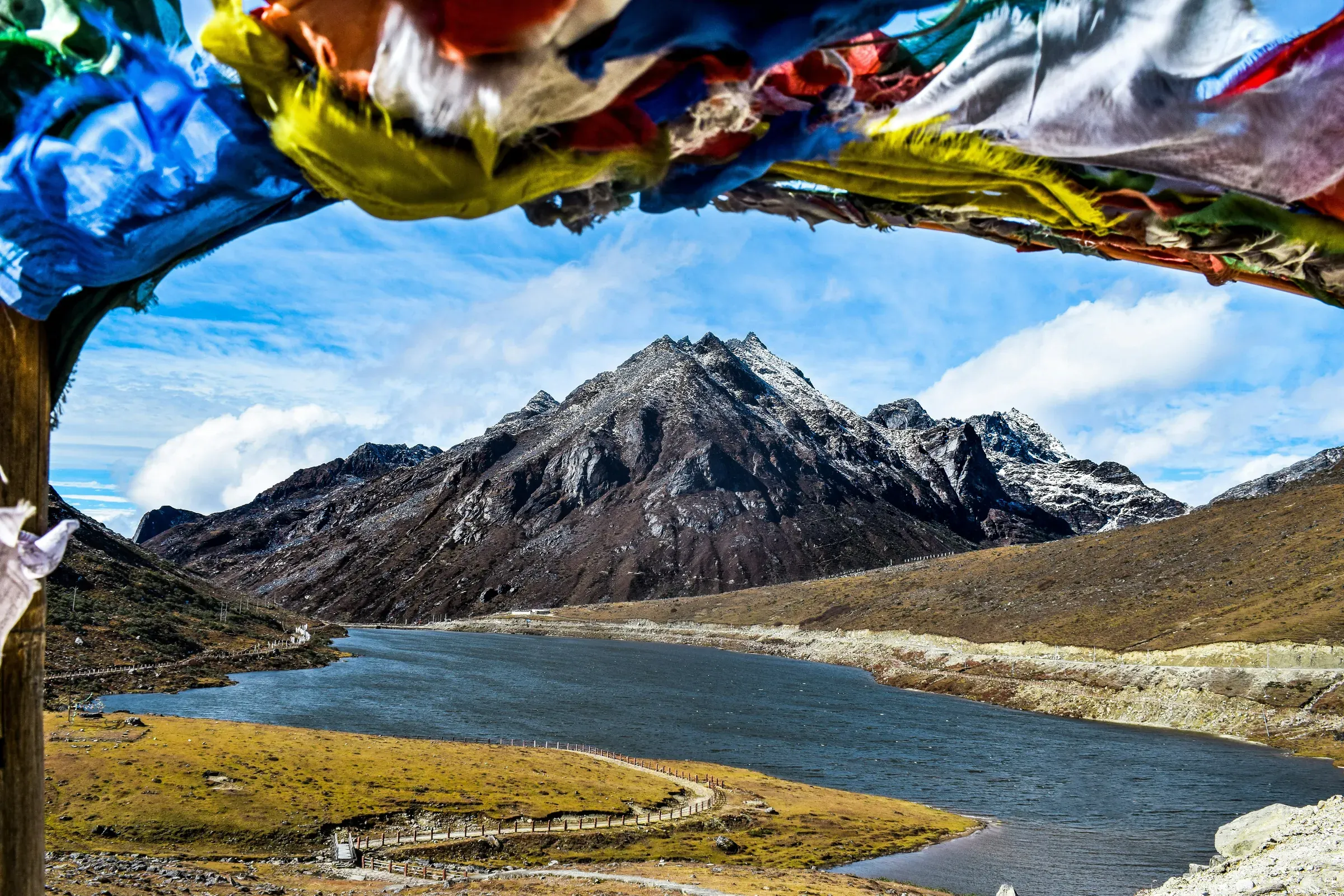
Photo by Mayur More on Unsplash
Arunachal Pradesh begins where the plains rise into the Eastern Himalayas.
Rivers descend through deep forested valleys. Villages cling to mountain slopes and high plateaus. Prayer flags move in the wind around Buddhist monasteries, while elsewhere festivals, agricultural rituals and community traditions follow belief systems that have developed over generations.
Often called the Land of the Dawn-lit Mountains, Arunachal Pradesh is also India's largest northeastern state by area. But its scale is cultural as much as geographical. The state recognises 26 major tribes and more than 100 sub-tribes, each with its own traditions, languages, textiles, festivals and ways of relating to the landscape.
The Monpa world of Tawang is very different from Apatani life in Ziro. The Adi communities of the Siang region, the Galo, Nyishi, Mishmi, Khamti, Singpho, Nocte, Wancho and many others add further layers to the state.
To travel through Arunachal Pradesh is therefore not to discover one culture, but many.
Regions
Arunachal Pradesh stretches from the foothills bordering Assam to high Himalayan landscapes along Bhutan, Tibet and Myanmar.
This geography has helped shape remarkably different cultural regions.
In the west, Tawang and West Kameng are closely associated with Monpa Buddhist traditions, monasteries, mountain settlements and trans-Himalayan cultural connections.
In Ziro Valley, the Apatani are known for intensive wet-rice cultivation, traditional ecological knowledge, village institutions and a distinctive relationship between agriculture and landscape. The valley's paddy-cum-fish cultivation, where rice and fish are farmed in the same flooded fields, reflects long-established systems of land and water management.
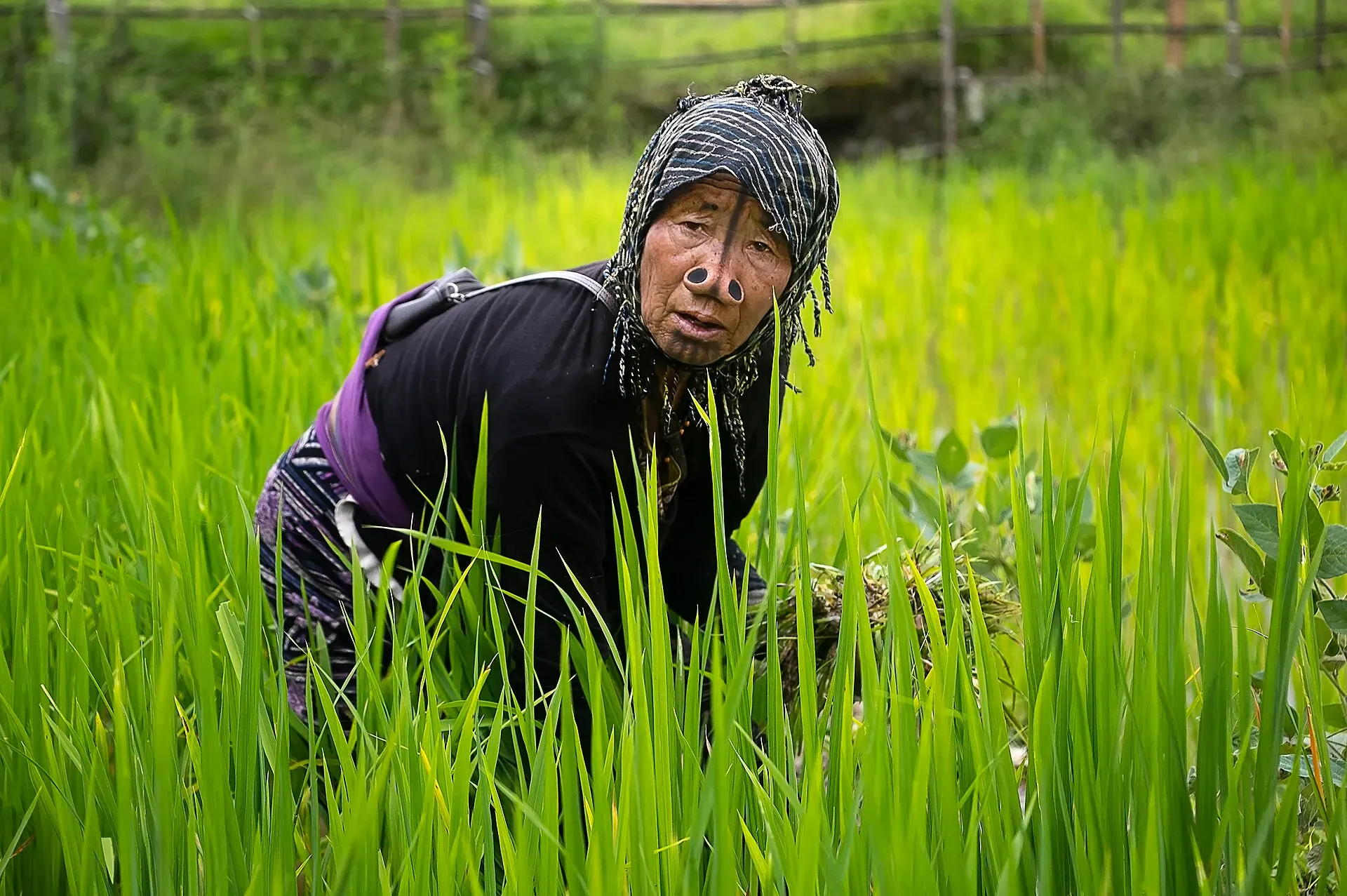
Across the central and eastern valleys live Adi, Galo, Nyishi, Tagin, Mishmi and other communities whose festivals and oral traditions are often closely tied to agriculture and indigenous belief systems.
Farther east, around Namsai, Tai Khamti Buddhist culture gives the landscape yet another identity, visible in monasteries, festivals and the Golden Pagoda.
Traditional spiritual practices also remain important. Donyi-Polo, associated with the sun and moon, is followed among several communities, while Buddhist traditions are particularly prominent among the Monpa and Tai Khamti. Other indigenous systems of belief continue across the state.
History
For much of the twentieth century, the region was administered as the North-East Frontier Agency, commonly known as NEFA.
On 20 January 1972, NEFA became Arunachal Pradesh and was granted Union Territory status. On 20 February 1987, Arunachal Pradesh achieved full statehood.
Yet the cultural histories of the communities living here extend far beyond these modern administrative boundaries.
They survive through oral histories, village institutions, migration stories, ritual landscapes, monasteries, crafts and agricultural traditions that differ significantly from one valley to the next.
Festivals
Festivals are among the best ways to understand the cultural diversity of Arunachal Pradesh.
Many are connected with agriculture, seasonal change, thanksgiving, community wellbeing or religious observance. Because different communities follow different traditions, festivals occur throughout the year.
| Festival | Usual timing | Community / region | What it represents |
|---|---|---|---|
| Torgya | January | Monpa / Tawang | Buddhist rituals and masked monastery dances |
| Nyokum Yullo | Late February | Nyishi | Community wellbeing, fertility and agricultural prosperity |
| Losar | February or March | Monpa / Buddhist communities | New Year celebrations based on the Tibetan lunar calendar |
| Mopin | Early April | Galo | Prosperity, wellbeing and a successful agricultural cycle |
| Sangken | Mid-April | Tai Khamti and related Buddhist communities | Buddhist New Year, purification and renewal |
| Dree | Early July | Apatani | Agricultural wellbeing and protection of crops |
| Solung | Early September | Adi | Agriculture, prosperity and community celebration |
Exact festival dates should be checked before travelling, particularly those based on traditional or lunar calendars.
Every January, Tawang Monastery becomes the setting for Torgya, an important Monpa Buddhist festival.
Masked dancers perform traditional cham dances in elaborate costumes, using movement and symbolism to represent spiritual teachings and the triumph of positive forces over harmful ones.
Tawang's monastic dance tradition includes numerous forms of cham, making festival season one of the most visually powerful times to experience the region.
Nyokum is one of the principal festivals of the Nyishi community and is traditionally observed around 26 February.
The festival brings communities together through ritual, song, dance and feasting, with prayers centred on harmony, fertility, prosperity and the relationship between people and the natural world.
In Tawang and other Buddhist areas, Losar marks the beginning of the new year according to the Tibetan calendar.
Celebrations generally fall in February or March and can include prayers, family gatherings, food, religious ceremonies and traditional performances.
For travellers planning a winter or early-spring journey through Tawang, Losar offers a particularly meaningful introduction to Monpa culture.
Celebrated by the Galo community, Mopin falls on 5 April.
The festival centres on prosperity, wellbeing and hopes for a successful agricultural year. Traditional dress, community gatherings, music and dance form part of the celebrations.
In eastern Arunachal Pradesh, particularly around Namsai, the Tai Khamti community celebrates Sangken in mid-April.
The festival marks the Buddhist New Year and includes the ceremonial bathing of Buddha images and the sprinkling of water as a symbol of purification and renewal.
It offers travellers a very different expression of Buddhist culture from the Tibetan traditions of Tawang.
The Apatani festival of Dree is celebrated in early July.
It is closely connected with agriculture, with prayers for healthy crops, protection from disease and a successful harvest.
Ziro Valley takes on a particularly festive atmosphere during this period.
Among Adi communities, Solung is an important agricultural and social festival celebrated around the beginning of September.
Rituals, songs, dances and community gatherings accompany prayers for prosperity and a good agricultural season.
Performance
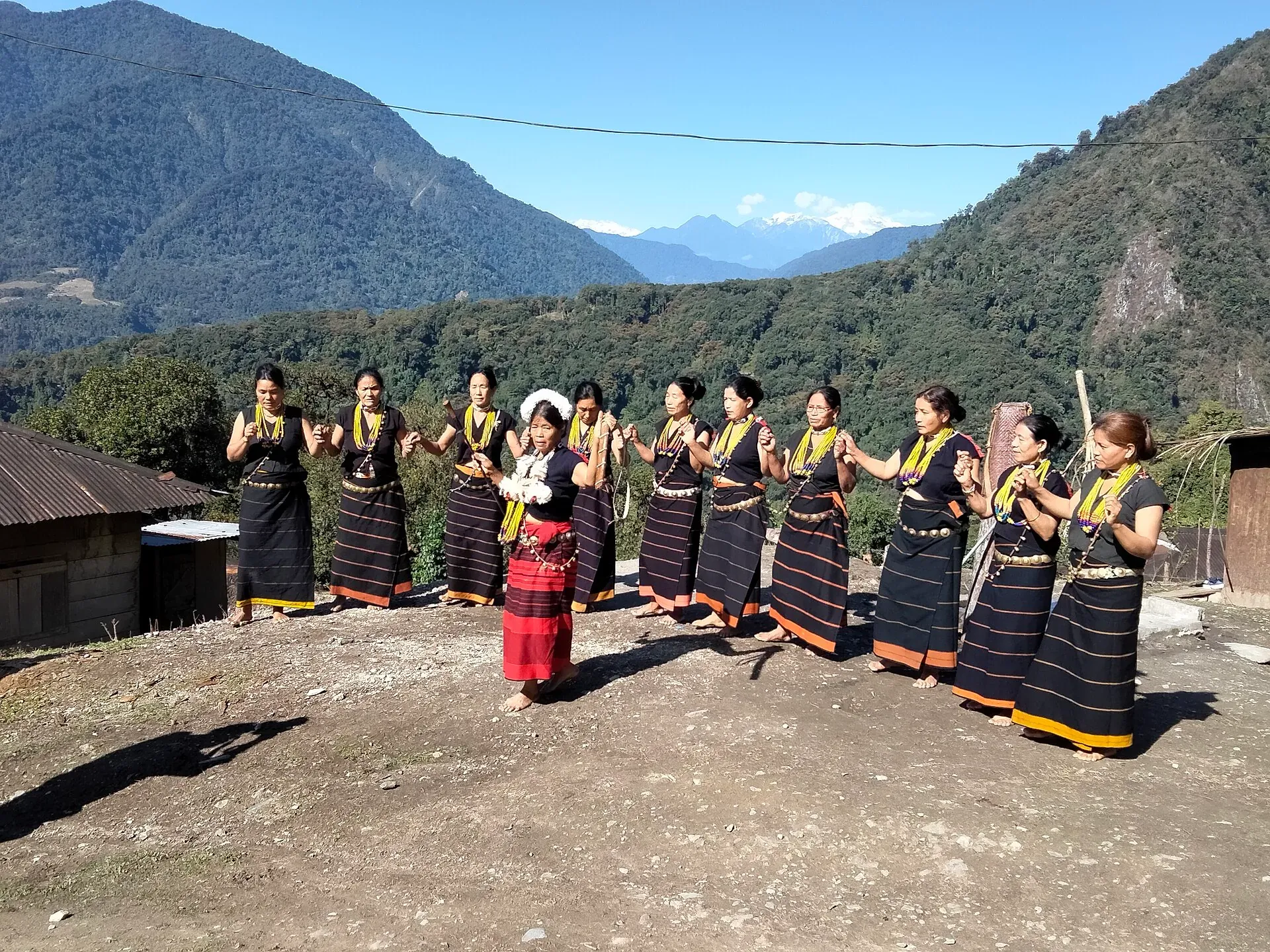
Performance traditions in Arunachal Pradesh are as varied as its communities.
Some dances accompany agricultural festivals. Others form part of religious ceremonies, community celebrations or oral storytelling.
Among Adi communities, forms such as Ponung combine song, movement and collective performance. Popir is associated with Galo cultural celebrations, while communities across the state maintain their own festive and ritual dances.
In Buddhist areas, masked cham dances play a particularly important role.
At Tawang and in monasteries elsewhere in the state, performers wearing elaborate masks and costumes enact symbolic stories connected with Buddhist teachings. Similar traditions can also be experienced in Mechuka, where monastery masks and costumes are used during religious performances.
These traditions are best experienced in their cultural setting rather than only as staged performances.
Textiles
Across Arunachal Pradesh, textiles communicate community identity, social meaning and artistic tradition.
Patterns, colours and techniques vary considerably between regions. There is no single "Arunachal textile."
The Monpa are particularly known for handwoven carpets, often using geometric, floral or dragon motifs.
Textiles, bags and traditional garments around Tawang and Bomdila carry distinctive colours and patterns, while the region is also known for painted wooden vessels and other crafts.
The Craft Centre and Ethnographic Museum in Bomdila offers a useful introduction to carpets, masks, wall hangings, pottery and other objects from the region.
In Ziro, weaving forms part of Apatani cultural life alongside agriculture, cane and bamboo work.
Traditional fabrics often feature strong geometric arrangements and contrasting colours, with weaving skills passed through families and communities.
Across the state, garments, ornaments, headgear and jewellery indicate community, occasion and sometimes social status.
Rather than looking for a single representative costume, travellers should pay attention to how dramatically clothing changes as they move between Tawang, Ziro, the Siang Valley and eastern Arunachal.
Crafts
Bamboo and cane are among the most important materials used across Arunachal Pradesh.
They appear in baskets, agricultural tools, houses, storage containers, fishing equipment, ceremonial structures and everyday objects.
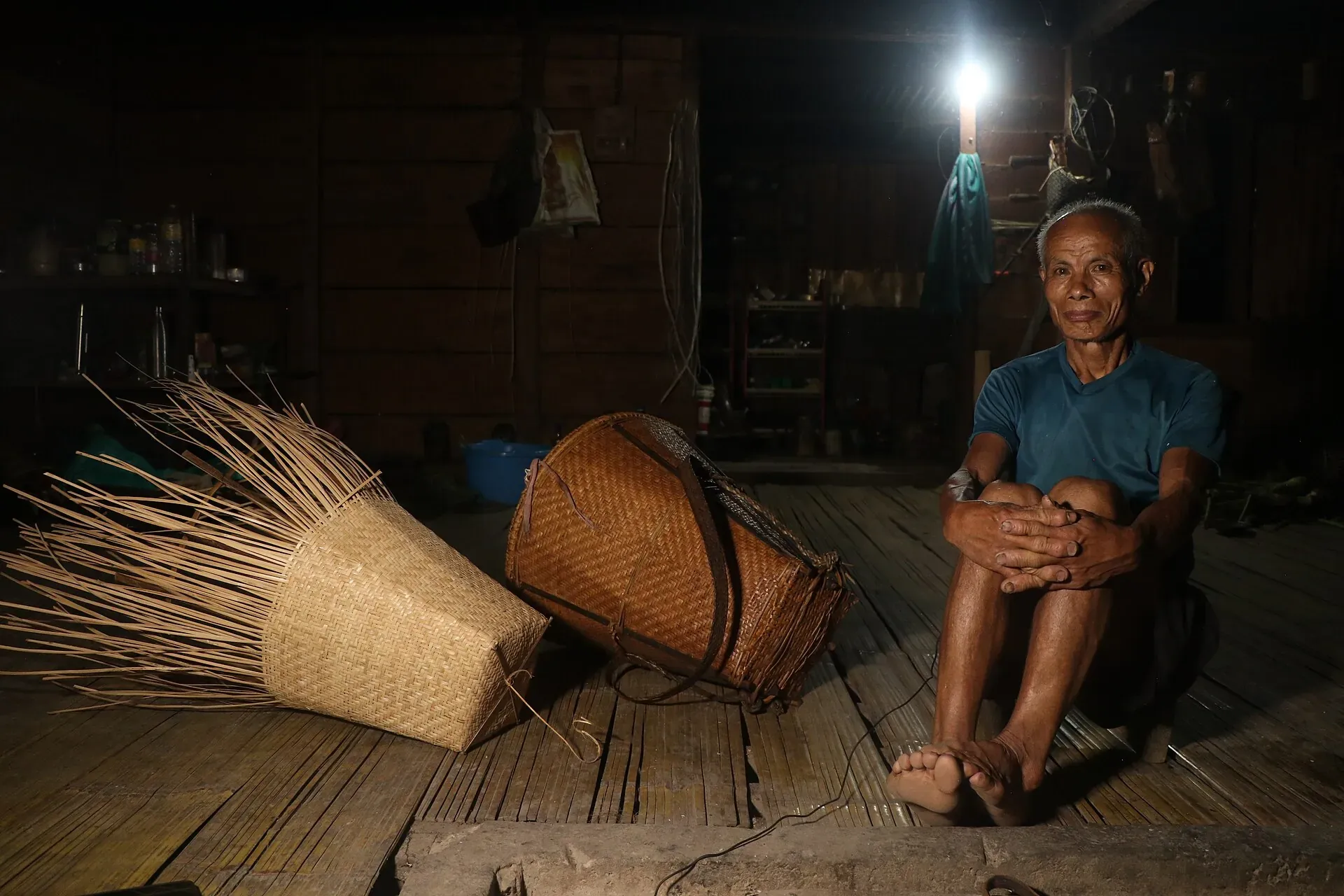
Apatani, Nyishi and Adi craftspeople are particularly associated with skilled cane and bamboo work, while Wancho and Nocte artisans are known for wood carving and colourful bead ornaments.
In the western districts, Monpa artisans are known for painted wooden vessels, masks and other carved objects.
Traditional handmade paper also survives within Monpa cultural practice. Produced from the bark of local plants, the paper has been used for religious manuscripts and other purposes.
The best souvenirs are often found at local craft centres, community markets and directly from artisans rather than mass-produced tourist shops.
Cuisine
There is no single Arunachali cuisine.
Food changes with altitude, community and geography. Rice, millet, maize, meat, fish, bamboo shoots, fermented ingredients, leafy vegetables, chilli and local herbs appear in many kitchens, but their preparation varies widely.
Buddhist Himalayan food traditions around Tawang can be very different from Apatani, Adi, Galo or Tai Khamti cooking farther east.
Zan is particularly associated with Monpa cuisine around Tawang.
It is a comforting porridge-like preparation made using grain flour and served with vegetables, meat or other accompaniments depending on the household.
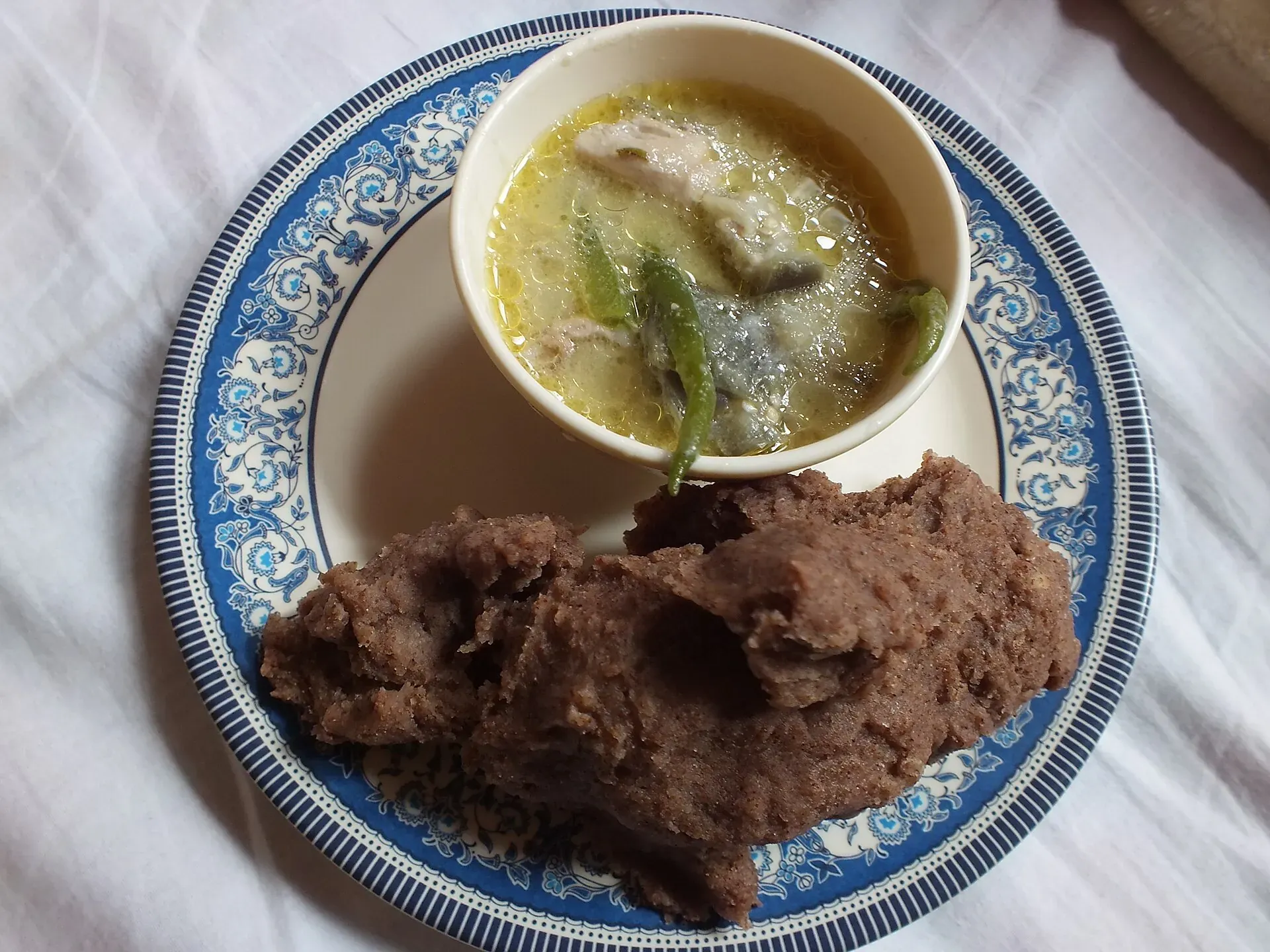
Its simplicity suits the cold mountain climate.
Thukpa is a warming noodle soup found widely across the Himalayan Buddhist regions of Arunachal Pradesh.
Versions vary, but the dish combines noodles with vegetables or meat in a hot broth.
Momos are widely eaten in Tawang, Bomdila and other parts of the state.
These filled dumplings contain meat or vegetables and are generally steamed, although variations exist.
Pika pila is closely associated with the Apatani community.
It is a pickle combining bamboo shoot, chilli and pork fat, giving it a sharp, fermented and spicy character.
Pehak is a spicy fermented soybean chutney, often prepared with chilli.
Fermented soybean appears in several food traditions across the eastern Himalayas, but individual recipes and methods vary from community to community.
Lukter combines cooked dry meat with chilli flakes and is typically eaten alongside rice.
It is simple, intense and a good introduction to the importance of preserved meats in local cuisine.
Fresh and fermented bamboo shoots appear in pickles, vegetable preparations and meat dishes across the state.
Their flavour ranges from mild and earthy to sharply fermented depending on the preparation.
Pasa is a fish preparation made using herbs and aromatic ingredients.
Fish plays an especially important role in communities living along Arunachal's major river valleys.
Several communities make traditional fermented beverages from rice or millet, commonly referred to by names such as apong.
These drinks are closely connected with hospitality, festivals and community gatherings. Recipes and terminology differ between communities.
The best way to explore food in Arunachal Pradesh is through homestays and community-run kitchens, where dishes are more likely to reflect the region you are actually visiting.
Places
For many travellers, Tawang is their first image of Arunachal Pradesh.
The centrepiece is Tawang Monastery, founded in the seventeenth century and the largest Buddhist monastery in India. Its assembly halls, murals, manuscripts, prayer spaces and monastic life make it far more than a scenic viewpoint.
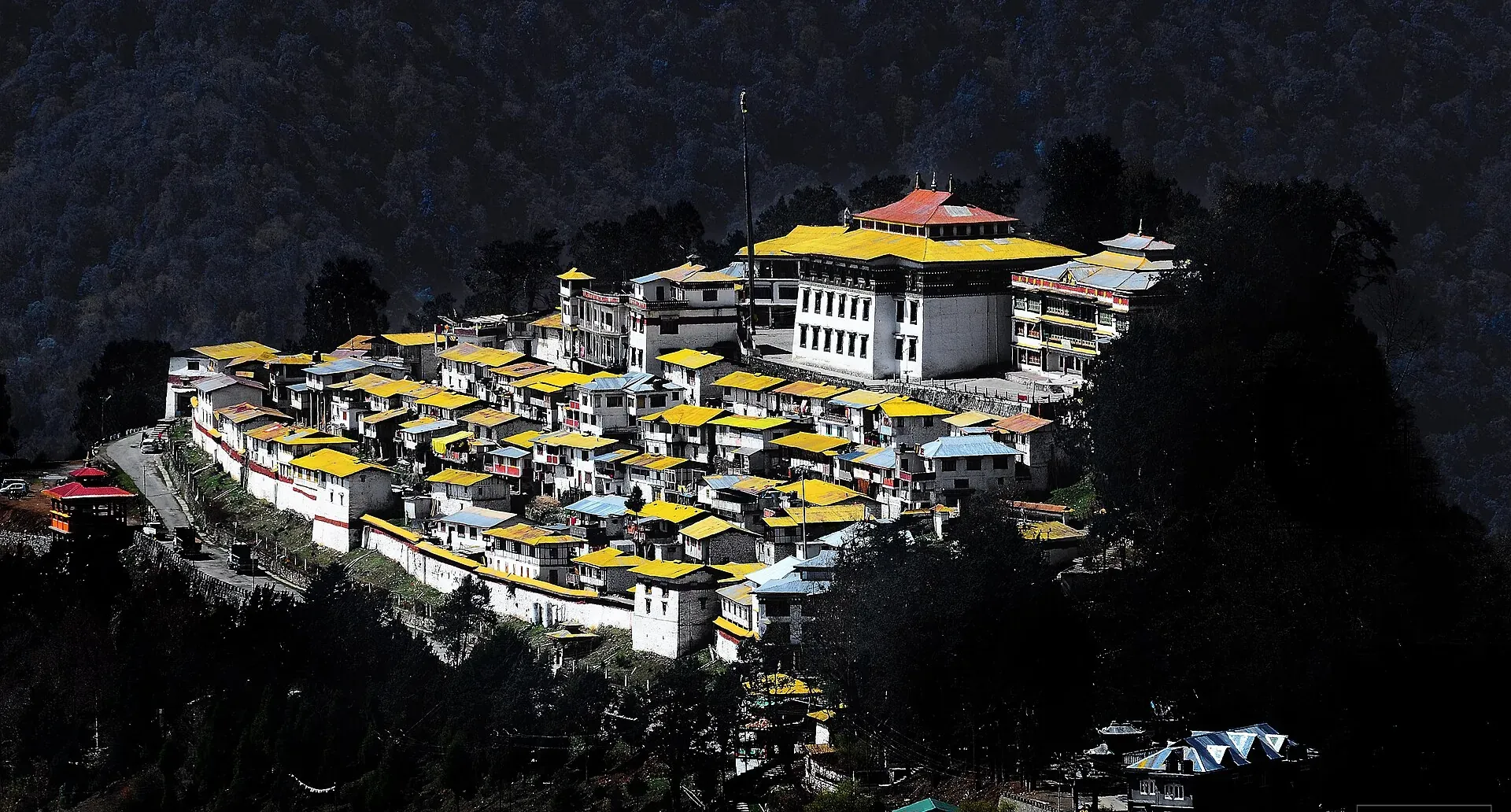
Spend time around the town and nearby villages rather than treating the monastery as a single photo stop.
The wider route through Bomdila, Dirang and Sela also introduces travellers gradually to Monpa culture and the dramatic changes in altitude that define western Arunachal.
Dirang is worth more than an overnight halt on the road to Tawang.
The surrounding valley includes monasteries, orchards, traditional houses and villages set against a gentler mountain landscape.
Nearby Thembang preserves traditional Monpa stone-and-wood architecture within a fortified settlement. The village offers insight into architecture, agriculture, community life and cultural traditions that can easily be missed when travelling directly between Bomdila and Tawang.
Ziro is one of the most important cultural landscapes in Arunachal Pradesh.
The valley is home to the Apatani community, whose agricultural system combines wet-rice cultivation, fish farming and carefully managed water resources.
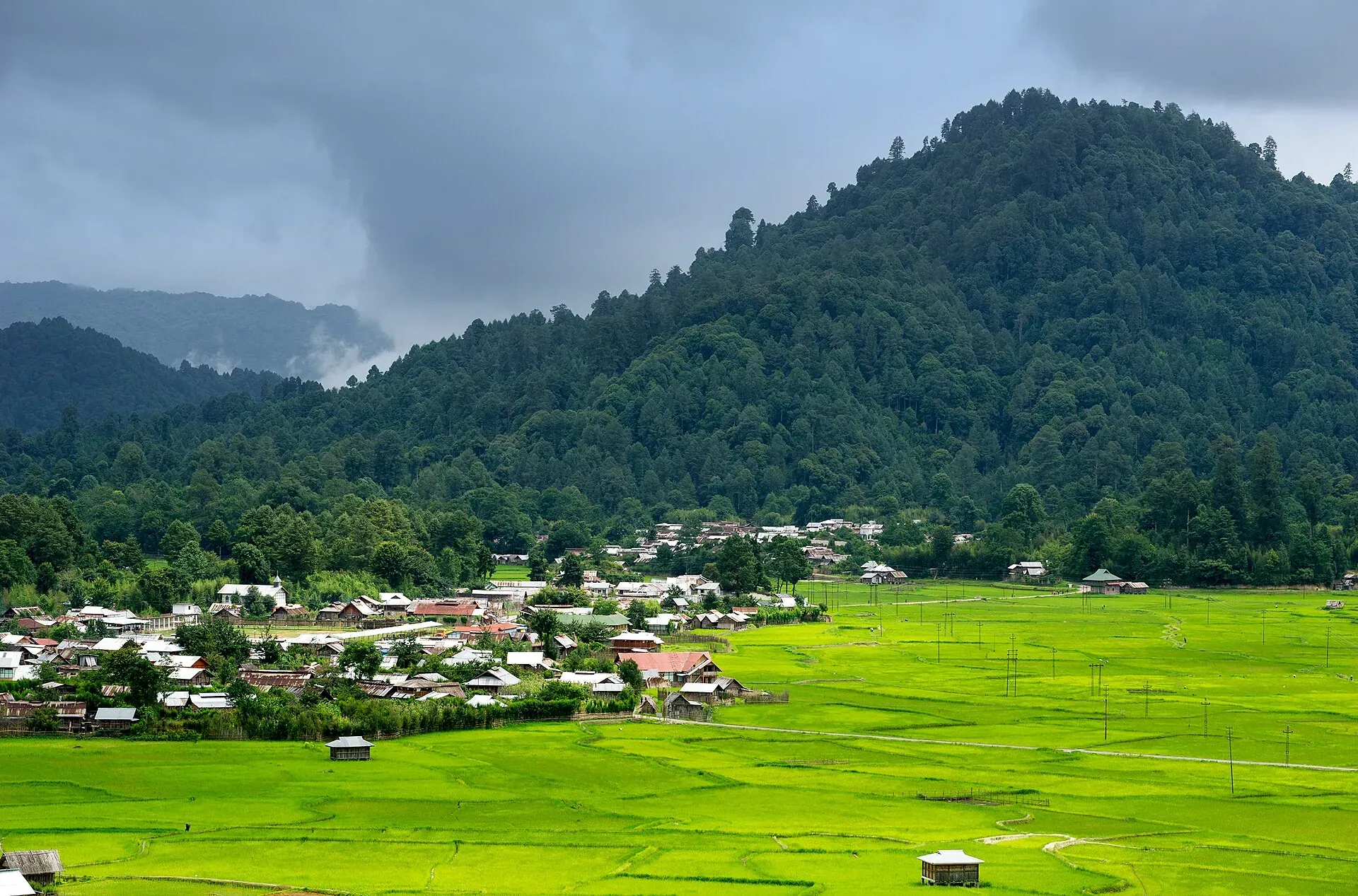
Spend time in the villages, observe the agricultural landscape and explore local weaving and bamboo crafts rather than experiencing Ziro only through scenic viewpoints.
Ziro also hosts the contemporary Ziro Festival of Music, generally held in September, adding a modern creative identity to a valley known for much older traditions.
Remote Mechuka, also written Menchuka, lies in a high valley surrounded by mountains.
Its cultural landscape combines Memba Buddhist traditions, wooden houses, prayer flags, monasteries and mountain agriculture.
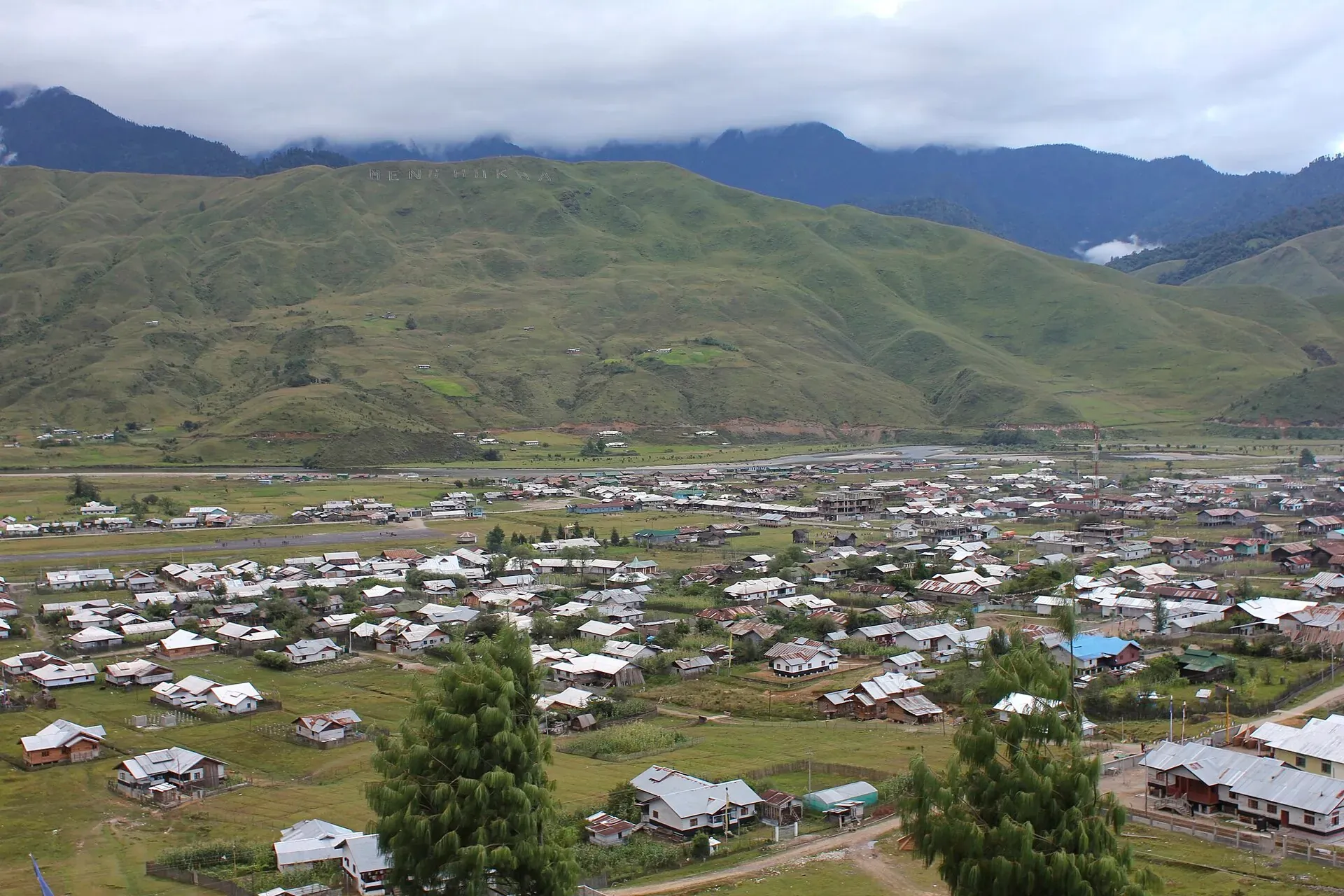
The historic Samten Yongcha Monastery contains religious objects, masks and costumes associated with Buddhist traditions, while the surrounding valley encourages a slower form of travel through villages and homestays.
Getting there takes time, which is precisely part of Mechuka's character.
In eastern Arunachal Pradesh, Pasighat provides access to the Siang River and Adi cultural landscapes.
The Siang is the name given to the great river as it enters India from Tibet before eventually becoming part of the Brahmaputra system in Assam.
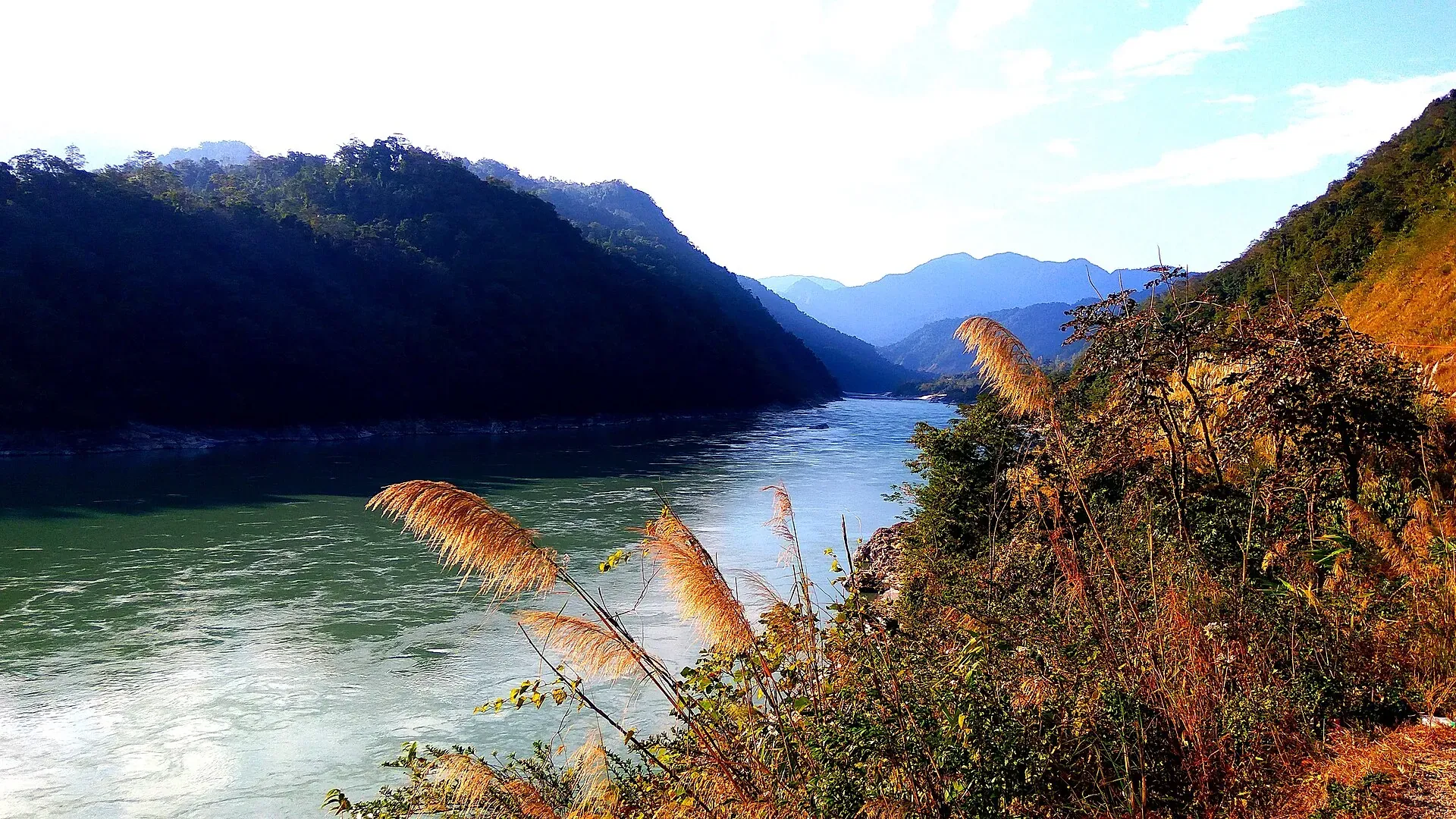
This relationship between Arunachal's mountain rivers and the Brahmaputra plains below is one of the strongest geographical links between the two states.
Pasighat is particularly rewarding during the drier months between October and April.
Namsai offers a very different expression of Arunachal Pradesh.
The district is closely associated with Tai Khamti Buddhist culture and is home to the striking Golden Pagoda at Tengapani.
Visit during Sangken in April to experience Buddhist New Year traditions, or travel during the cooler months to explore monasteries, local food and community life at a slower pace.
In the far east, Namdapha National Park introduces travellers to one of the state's great forest landscapes.
The journey through Miao and Changlang also makes it possible to encounter cultural regions very different from the better-known Tawang and Ziro circuits.
This is an important point when planning Arunachal Pradesh: seeing one part of the state does not mean you have seen the whole.
Planning
There is no single perfect month for the entire state because altitude and climate vary dramatically.
For most first-time itineraries, October to April offers the most reliable combination of clearer weather and easier road travel.
May and October are the most favourable months on several of the state's mountain trekking routes, and Ziro is especially pleasant during spring and autumn.
For Tawang and other high-altitude areas, always leave some flexibility in the itinerary. Weather and road conditions can change quickly.
Getting there
Unlike a smaller destination that can be explored from one base, Arunachal Pradesh requires travellers to choose a circuit.
Guwahati is particularly important for western and central routes, while Dibrugarh and Tinsukia are often better gateways for eastern Arunachal.
The classic western circuit runs Guwahati → Tezpur → Bhalukpong → Bomdila / Dirang → Tawang. The Tezpur–Bhalukpong–Bomdila–Tawang route is one of the state's principal tourism circuits. This is a long mountain journey and is best broken with overnight stops rather than attempted in one continuous drive.
Travellers heading towards Ziro can travel through Itanagar and Naharlagun before continuing into Lower Subansiri. Naharlagun also has rail connectivity with Guwahati, making it a useful access point for central Arunachal.
For destinations such as Namsai, Tezu, Roing and Namdapha, entering through Dibrugarh or Tinsukia in Assam is often more practical than travelling all the way from Guwahati. Separate circuits run from Dibrugarh, Tinsukia and Margherita into the eastern districts.
Indian citizens visiting Arunachal Pradesh require an Inner Line Permit, or ILP. The official tourist eILP is available for visits of up to 14 days, while longer stays require a different permit process. Foreign tourists require a Protected Area Permit, or PAP. Permit requirements can change, so travellers should always check the current Arunachal Pradesh Tourism guidance before departure.
Before the mountains
For many travellers heading towards Tawang, Bomdila, Dirang or Ziro, Guwahati is the first stop on the journey.
Flights often arrive the day before the long drive into Arunachal Pradesh begins. That means there is usually an evening in Guwahati that would otherwise be spent checking into a hotel and preparing for an early departure.
An Alfresco Grand cruise on the Brahmaputra can turn that transit evening into the first experience of the Northeast.
The Sunset Cruise departs at 5:30 PM and returns by 6:30 PM — a short evening on the water that still leaves you an early night before the drive. The Dinner Cruise departs at 7:30 PM and runs until 9:00 PM, with a buffet dinner and live Bihu, Sattriya and Gayan Bayan performances on deck. Both sail from the Guwahati riverfront, about half an hour from most city hotels — the boarding point moves with the river's seasons, and your exact point is printed on your boarding pass.
The next morning, the journey changes completely as you leave the Brahmaputra Valley and begin climbing towards the forests, monasteries and high mountain landscapes of Arunachal Pradesh.
Before travelling to the mountains, spend an evening with the river that receives many of their waters.
Good to know
Arunachal Pradesh is known for its Eastern Himalayan landscapes, Tawang Monastery, diverse indigenous communities, Buddhist traditions, Ziro Valley, mountain rivers, traditional weaving, festivals and remote valleys such as Mechuka.
Important festivals include Torgya, Nyokum Yullo, Losar, Mopin, Sangken, Dree and Solung. Different communities celebrate their own festivals, so Arunachal Pradesh has a cultural calendar extending across much of the year.
Depending on the region, look for zan, thukpa, momos, pika pila, pehak, lukter, bamboo shoot preparations, local fish dishes and traditional fermented rice or millet beverages.
October to April is generally the most convenient period for a broad itinerary. Spring is particularly pleasant in many valleys, while winter offers dramatic mountain scenery. Monsoon travel between June and September can be affected by heavy rainfall and landslides.
Yes. Indian citizens require an Inner Line Permit to enter Arunachal Pradesh. Tourist eILPs are available through the state's official system. Foreign tourists require a Protected Area Permit.
Yes, particularly for the western circuit towards Bhalukpong, Bomdila, Dirang and Tawang, as well as some central routes towards Itanagar and Ziro. For eastern Arunachal Pradesh, Dibrugarh or Tinsukia may provide a more convenient gateway.
A focused circuit generally deserves at least several days because road journeys can be long. Travellers should avoid trying to combine Tawang, Ziro, Mechuka and eastern Arunachal in one short trip. It is better to choose one region and experience it properly.