
Heritage · Assam
Assam Culture: Bihu Dates, Festivals by Month, Food, Places
Where the Brahmaputra Shapes a Living Heritage
Heritage · Assam
Where the Brahmaputra Shapes a Living Heritage
The first impression of Assam is often one of scale.
The Brahmaputra stretches across the landscape, broad and restless, carrying stories between river islands, villages, temple towns, tea gardens and forests. Around it, everyday life moves with the agricultural calendar: looms work inside family homes, fishing boats cross the water, prayers echo through namghars, and festivals mark the changing seasons.
Yet Assam cannot be understood through one landscape or one community alone. Its cultural identity has been shaped by ancient kingdoms, the long Ahom era, the Neo-Vaishnavite movement, indigenous belief systems and generations of exchange between the plains, hills and river valleys.
From Bihu and Sattriya to muga silk, Majuli masks and deeply seasonal cuisine, Assam's heritage is not something separate from modern life. It is worn, performed, cooked, celebrated and passed forward every day.
History
Assam's recorded history reaches back to ancient Kamarupa, which appears in historical records from at least the fourth century. Over subsequent centuries, different dynasties and regional powers shaped the Brahmaputra Valley and its religious, political and artistic traditions.
One of the most influential periods began in the thirteenth century with the rise of the Tai-Ahom kingdom. The Ahoms ruled large parts of Assam for nearly six centuries, developing systems of administration, agriculture, warfare, architecture and cultural exchange that continue to influence the state's identity.
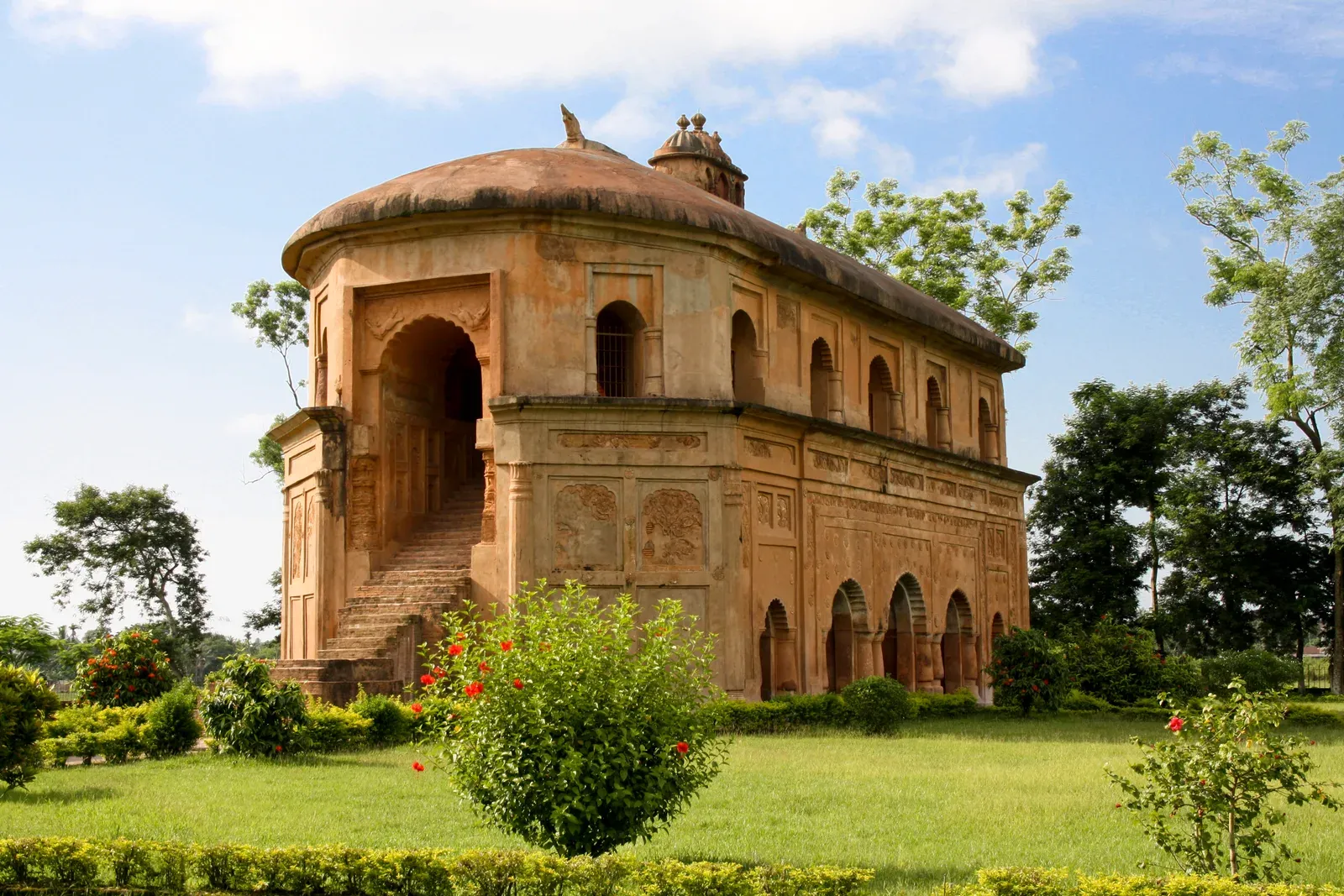
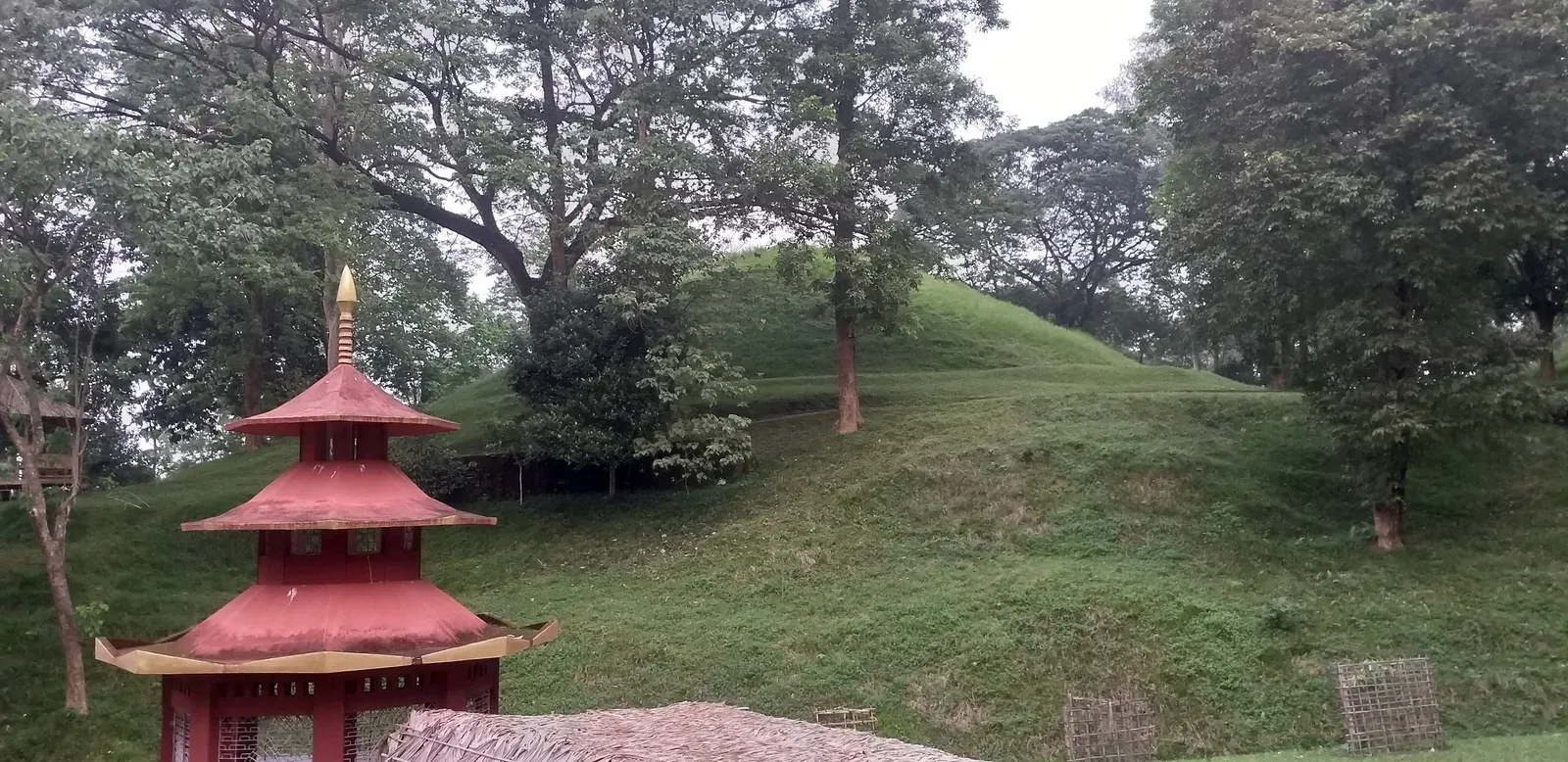
Their legacy is visible across Upper Assam, particularly around Sivasagar and Charaideo. At Charaideo, the royal burial mounds known as moidams form a sacred landscape of earthen mounds, vaulted chambers, forests and water bodies. The site was inscribed on the UNESCO World Heritage List in July 2024 as the Moidams – the Mound-Burial System of the Ahom Dynasty.
Another defining chapter came through the Neo-Vaishnavite movement led by the fifteenth- and sixteenth-century saint-reformer Srimanta Sankardeva and his disciple Madhavdeva. Through institutions known as satras and community prayer halls called namghars, the movement encouraged devotional worship while nurturing literature, music, theatre, painting, dance, mask-making and other artistic traditions.
Assam's identity, however, extends beyond any single historical tradition. The state is home to Assamese-speaking communities as well as Bodo, Mising, Karbi, Dimasa, Rabha, Tiwa, Deori, Sonowal Kachari, Tai and tea-garden communities, among many others. Each contributes distinct languages, festivals, textiles, food traditions and forms of knowledge. The cultures of the Barak Valley and the hill districts add further layers to this diversity.
Festivals
Festivals in Assam are closely tied to agriculture, faith, ancestry and community life. Travellers can experience a very different side of the state depending on the month they visit.
| Festival | Usual timing | What it celebrates |
|---|---|---|
| Magh or Bhogali Bihu | 14–15 January | The completion of the harvest, celebrated through community feasts, bonfires and temporary structures known as meji and bhelaghar |
| Me-Dam-Me-Phi | 31 January | A Tai-Ahom observance honouring ancestors and seeking their blessings |
| Ali-Aye-Ligang | Usually February | A Mising agricultural festival connected with the beginning of cultivation |
| Bohag or Rongali Bihu | Mid-April | Spring, the Assamese New Year and the start of a new agricultural cycle |
| Baishagu | Usually April | The Bodo New Year and the arrival of spring |
| Ambubachi Mela | Usually late June | An important annual celebration at Kamakhya Temple associated with fertility and the regenerative power of the earth |
| Kati or Kongali Bihu | Mid-October | A quieter agricultural observance centred on prayer, lamps and hopes for a healthy crop |
| Raas Mahotsav | October or November | A Vaishnavite festival featuring dance-drama performances based on the life of Krishna, especially prominent in Majuli |
Bohag Bihu is the most exuberant of the three Bihus. Young performers gather in traditional attire as the dhol, pepa, gogona and taal accompany Bihu songs and dance. The celebrations express courtship, youthfulness, fertility and the joy of spring.
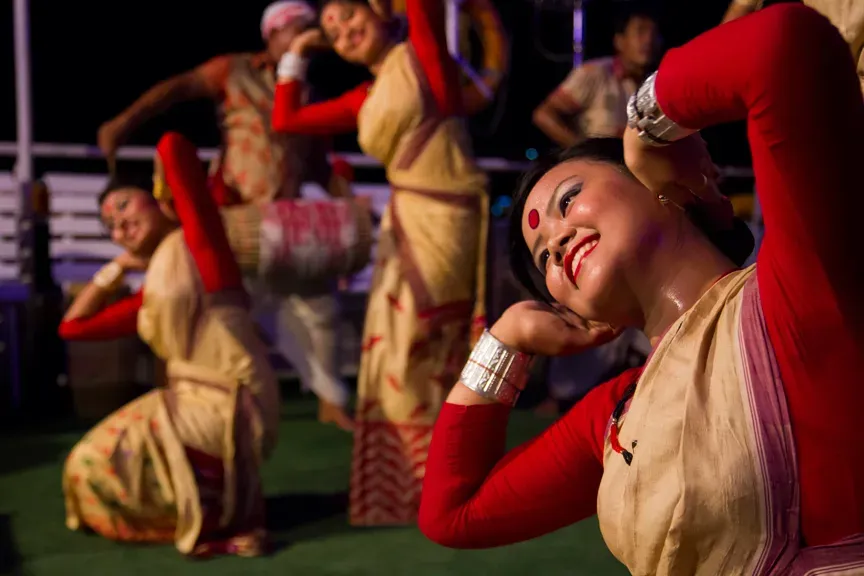
Magh Bihu, also called Bhogali Bihu, is built around abundance and shared food after the harvest. Kati Bihu is more restrained. Earthen lamps are lit near granaries, tulsi plants and paddy fields as families pray for the growing crop.
The festival calendar also reveals Assam's cultural breadth. Me-Dam-Me-Phi is observed by the Tai-Ahom community on 31 January, while Baishagu coincides with the Bodo New Year in April. Ambubachi draws pilgrims to Guwahati in late June, and Majuli's Raas performances attract visitors during the autumn full moon.
Exact dates vary according to regional and traditional calendars, so travellers should confirm the year's schedule before planning a festival-focused visit.
Performance
Bihu dance may be Assam's most widely recognised performance tradition, but the state's cultural landscape includes classical, devotional, ceremonial and community forms.
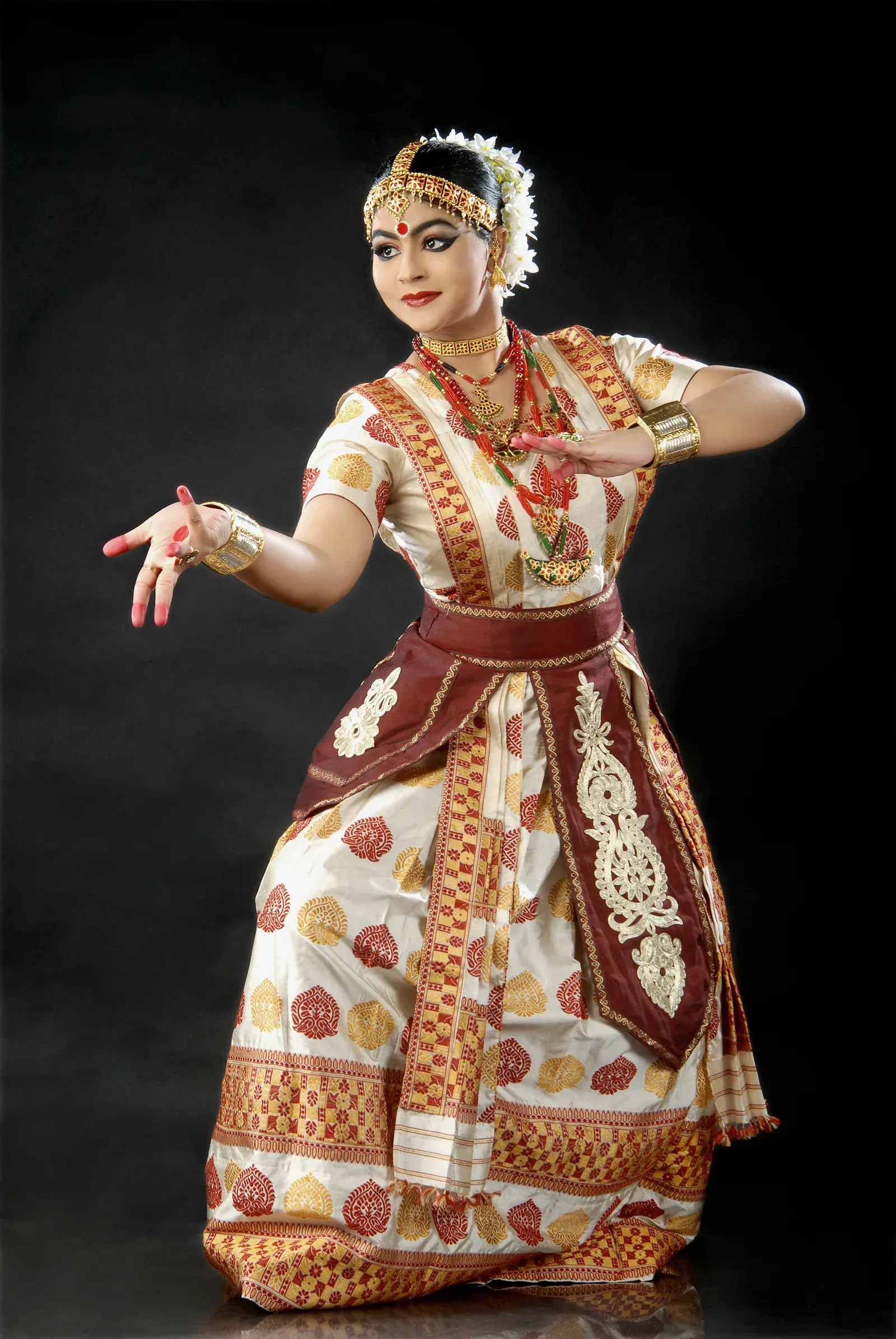
Sattriya developed within Assam's Vaishnavite satras as part of a larger tradition combining dance, drama, music and devotional storytelling. Its repertoire uses expressive movement, rhythmic footwork and narrative gesture to present themes drawn from Vaishnavite literature.
The tradition gradually moved beyond the monasteries and is now performed on public stages while retaining its close relationship with the satras of Assam.
Gayan Bayan brings singers and instrumentalists together in a devotional performance traditionally associated with satras and namghars. The ensemble combines congregational singing with the khol drum and cymbals, creating a powerful rhythmic introduction to religious and cultural programmes.
In Majuli, music, dance, prayer and scholarship continue to exist together within several living satra institutions.
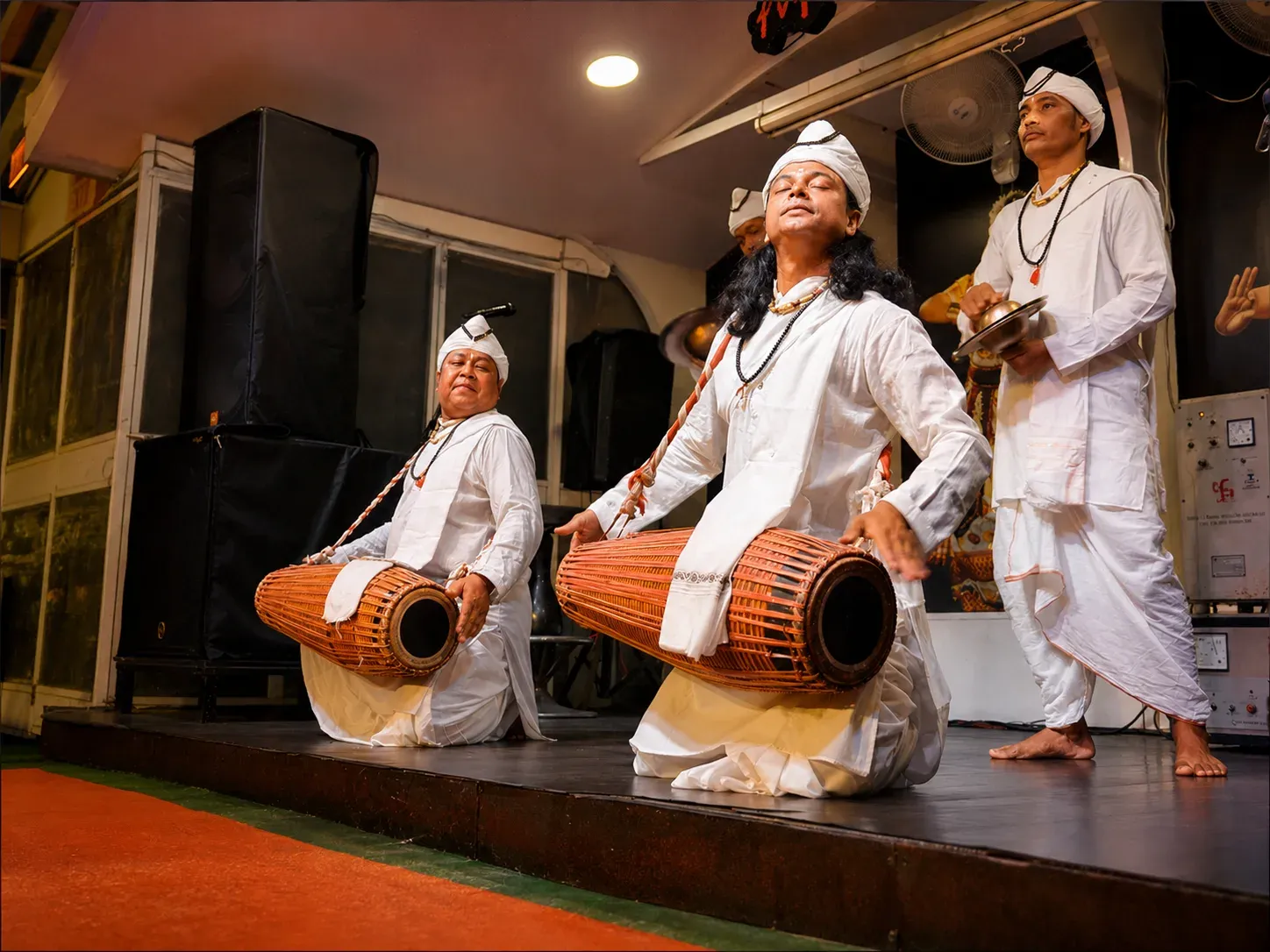
Both Sattriya and Gayan Bayan are performed on board our Dinner Cruise, alongside Bihu dance and live singing.
Bhaona is a theatrical tradition associated with Srimanta Sankardeva's cultural movement. Performers use dialogue, music, movement, costume and, in some productions, elaborate masks to enact stories with devotional and moral themes.
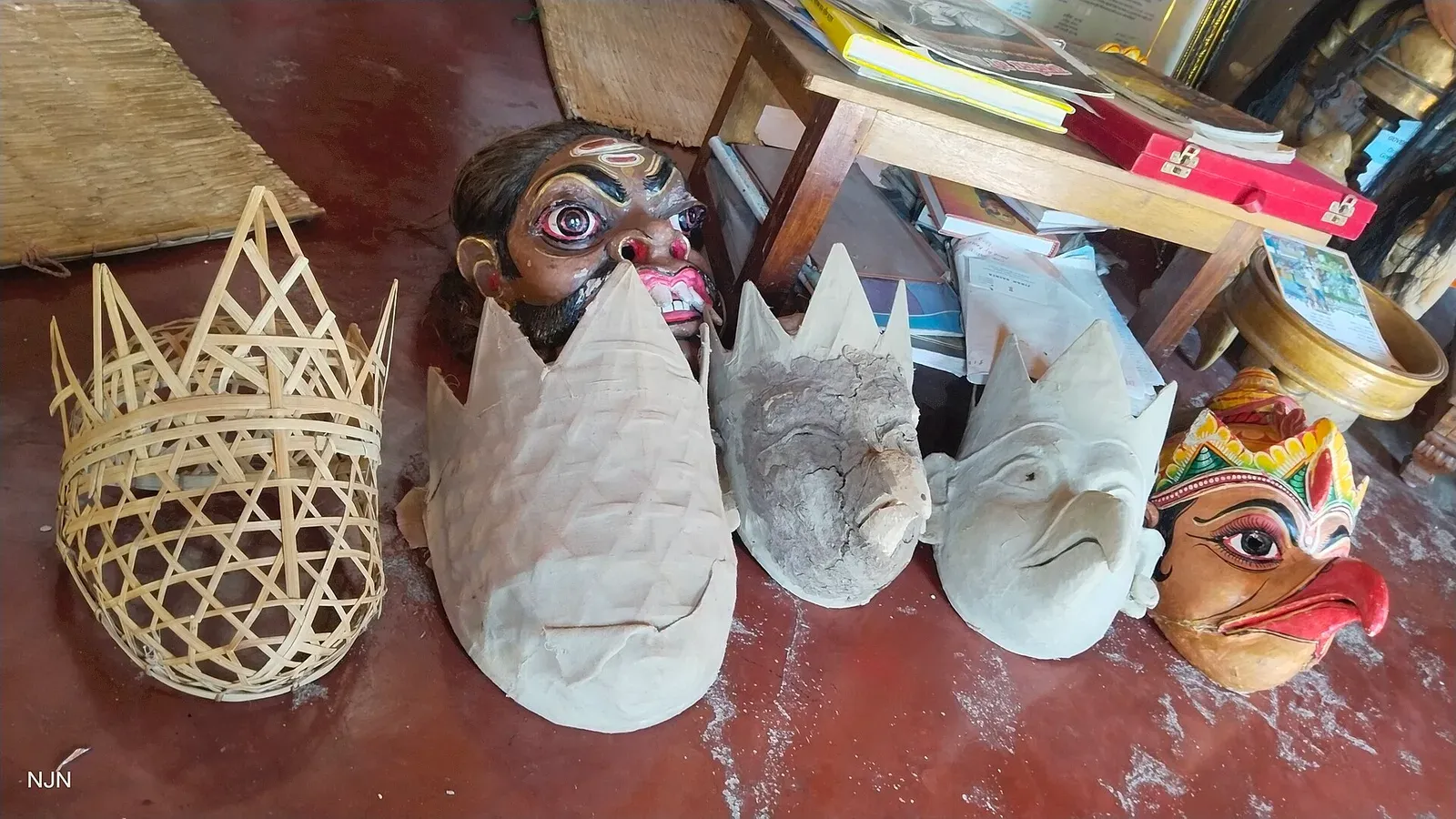
The masks used in Bhaona transform performers into gods, demons, animals and mythical characters. This tradition remains particularly visible in Majuli, where artisans continue to produce masks using bamboo, clay, cloth and paper.
Assam's wider performance heritage also includes Bagurumba of the Bodo community, Mising dance traditions, Karbi folk performances and the distinctive music and ceremonies of many other communities.
Textiles
Weaving is one of the strongest visual expressions of Assam's heritage. In many communities, the loom remains part of domestic and social life, and textiles accompany people through festivals, weddings, religious ceremonies and everyday occasions.
Assam is particularly associated with three silk traditions:
Muga silk is admired for its natural golden tone and lustre.
Paat silk is smooth, light-coloured and frequently used for formal garments.
Eri silk, sometimes known as endi, has a softer and warmer texture.
Sualkuchi, located near Guwahati, is one of Assam's best-known weaving centres and among the largest weaving villages in the world. Its looms produce mekhela sadors, gamosas and other textiles using muga, paat and eri silk.
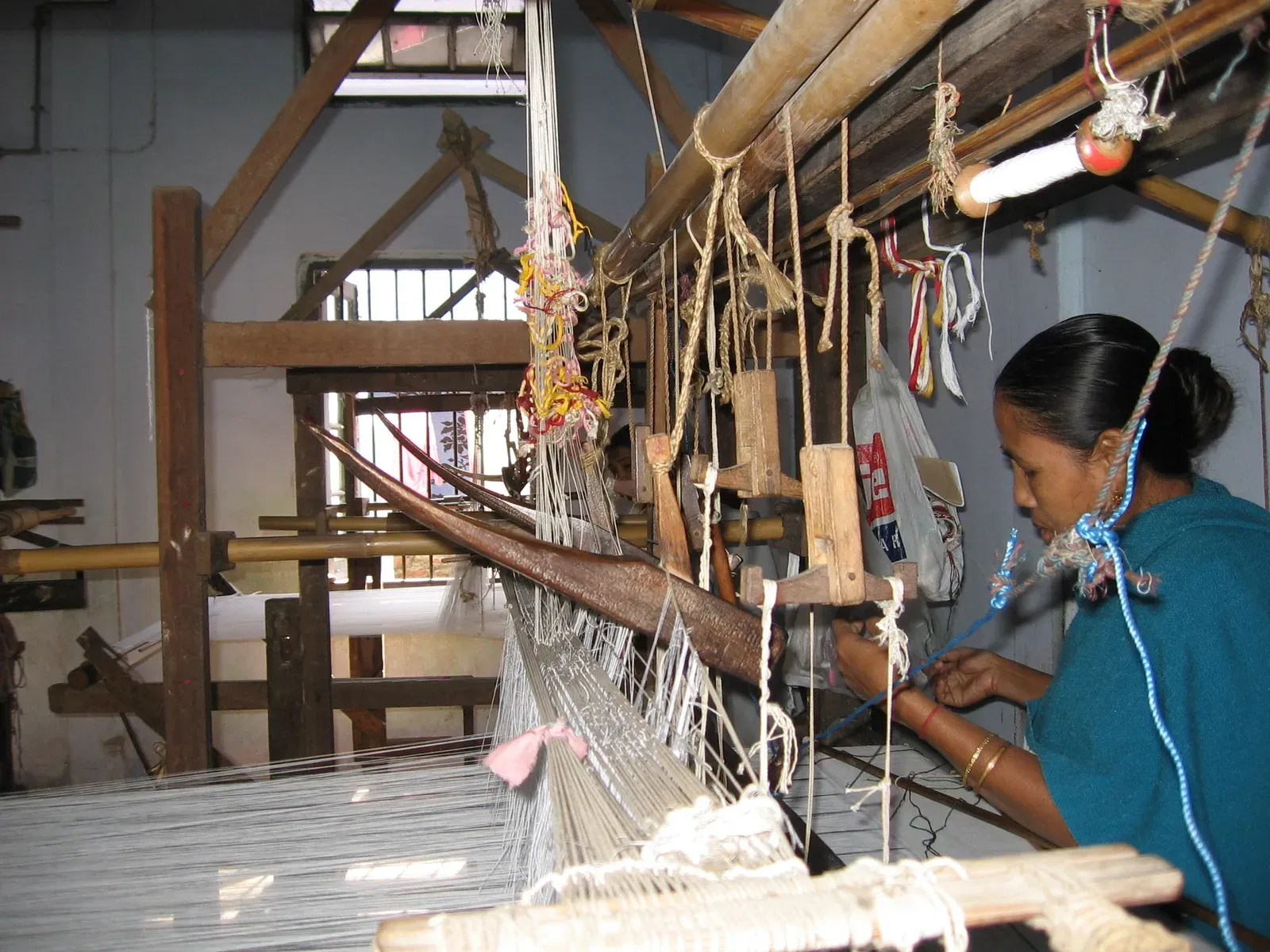
The gamosa is one of Assam's most recognisable cultural objects. Usually woven in white with red designs, it can be used practically, worn during performances, offered as a sign of respect or presented during ceremonies and celebrations.
Its meaning depends on context, but its presence across homes, festivals and public occasions makes it an important expression of Assamese identity.
The mekhela sador is a traditional two-piece garment worn by Assamese women. Its form remains consistent, but fabrics, motifs and weaving techniques vary widely. Silk versions are often worn during weddings, Bihu celebrations and formal events.
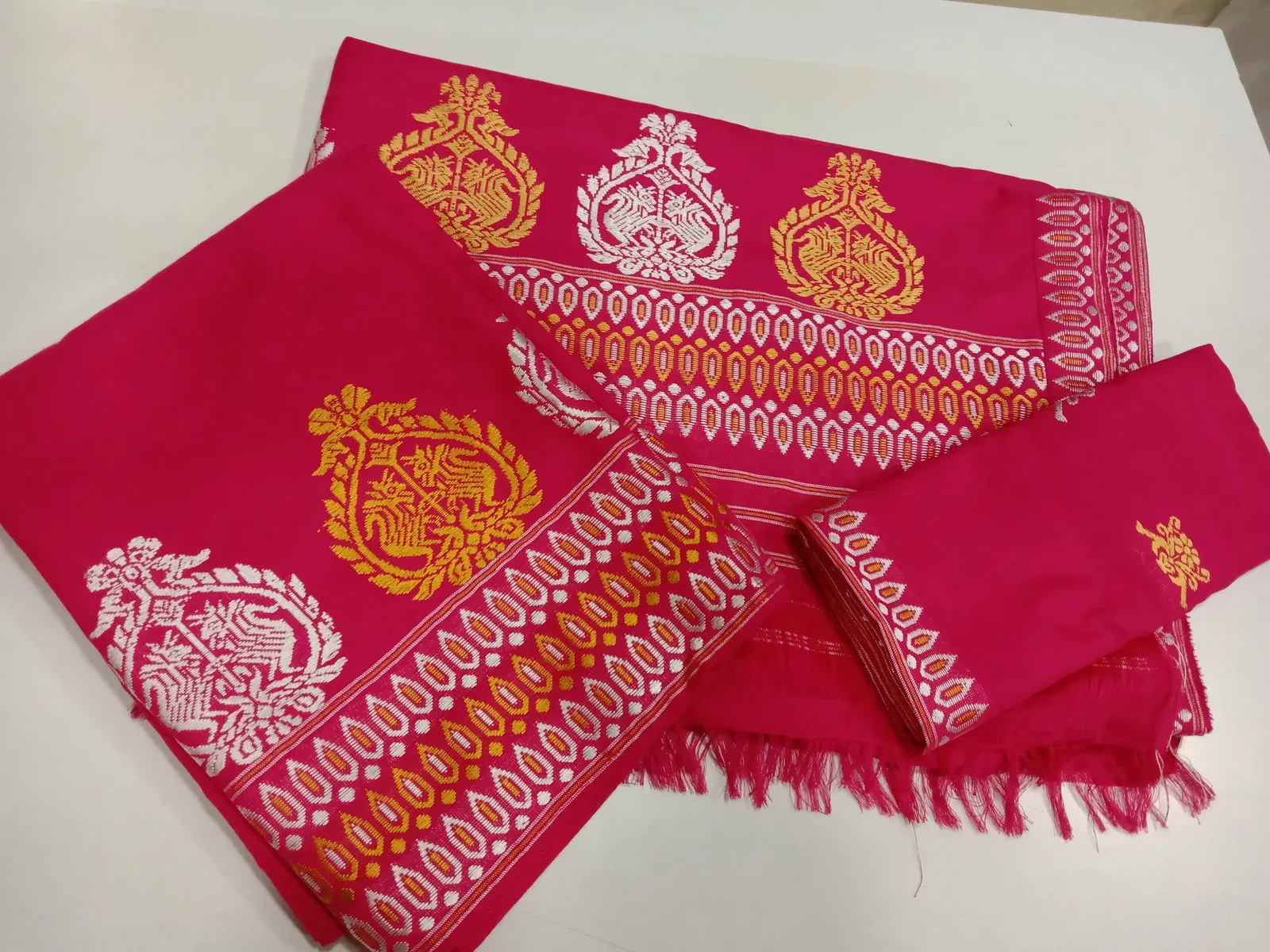
Visitors interested in Assam's textile heritage should spend time in Sualkuchi, local handloom stores and community markets rather than treating silk only as a souvenir.
Crafts
Assamese craft traditions are often closely connected to domestic life, religious practice and the natural materials available within the region.
At Samaguri Satra in Majuli, artisans continue the tradition of creating masks for Bhaona. Bamboo provides the basic structure, while clay, cloth and other materials build form and expression.
Some masks cover only the face. Others extend across the body and require the performer to animate the entire character through movement.
Sarthebari in Barpeta district is known for its bell-metal industry. Artisans produce household and ceremonial objects such as the xorai, used for offerings and formal welcomes, and the bota, traditionally used to serve paan and betel nut.
The work is still shaped through specialised hand tools and skills passed between generations of craftspeople.
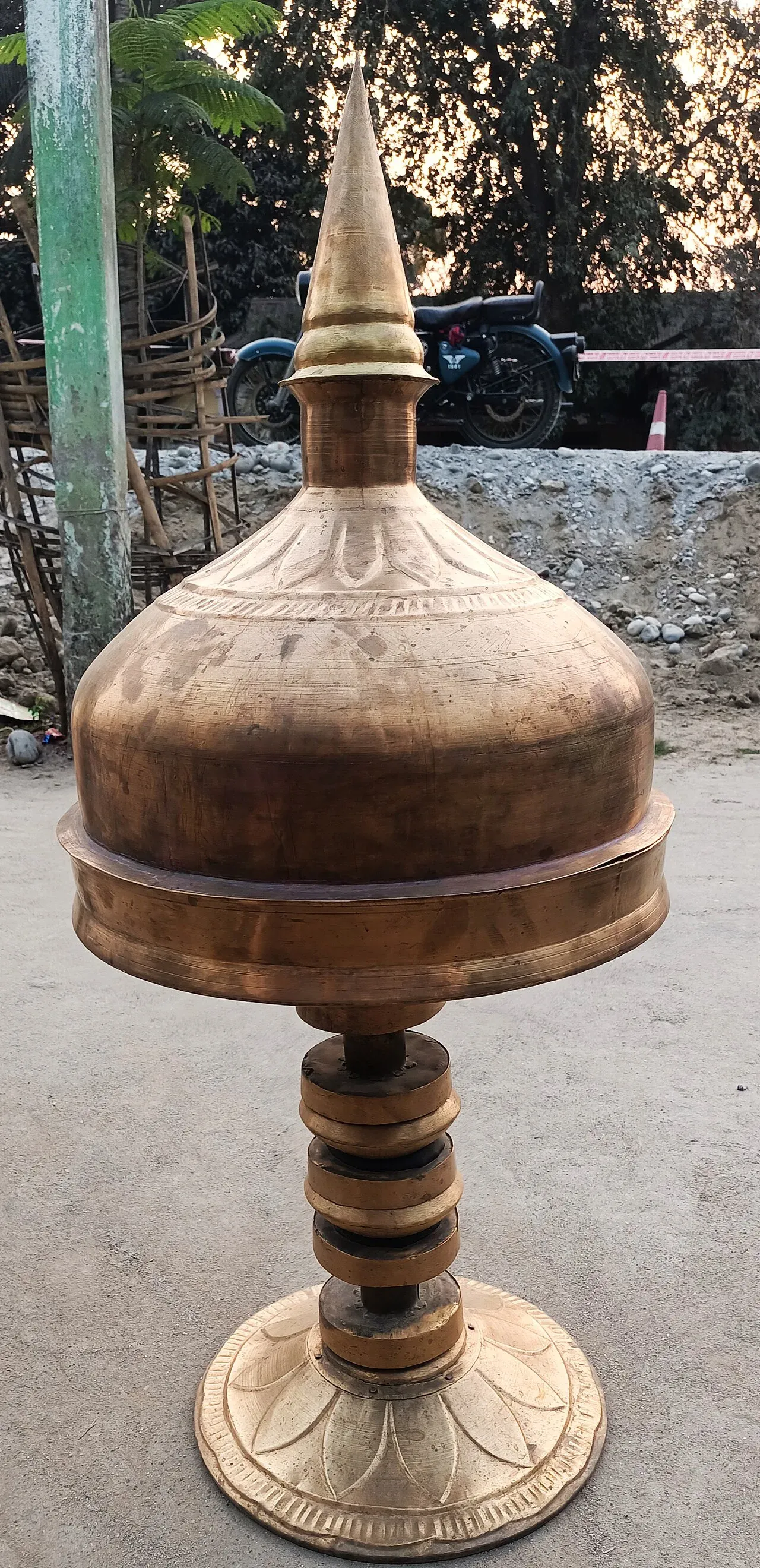
Cane and bamboo are used across Assam for baskets, furniture, fishing equipment, agricultural tools, household objects and decorative craft. The variety of forms reflects both the versatility of the materials and the different needs of communities across the state.
Pottery, jewellery, wood carving, japi-making and brass work add further depth to Assam's craft traditions.
Cuisine
Assamese cuisine is closely tied to season, geography and availability. Meals combine rice with dal, leafy vegetables, fish, meat, an alkaline preparation known as khar and a sour dish known as tenga. Assamese lemon, herbs, bamboo shoots and fermented ingredients add freshness and complexity without depending on heavy sauces.
Different communities within Assam have their own ingredients and methods, so no single menu can represent the entire state. Still, these dishes offer a useful introduction.
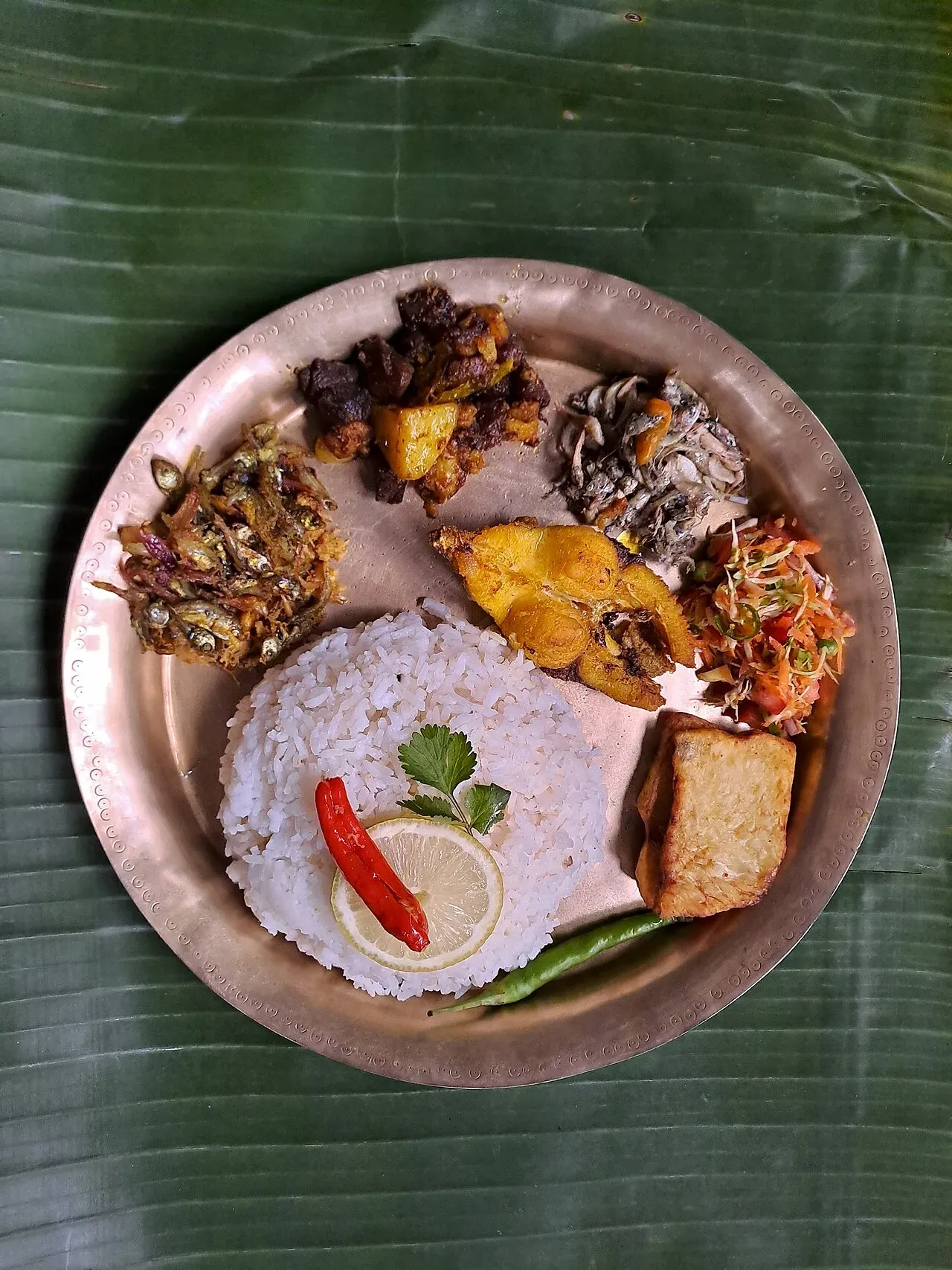
Khar refers both to an alkaline ingredient and to the dishes prepared with it. Traditionally derived through a filtering process using the ash of sun-dried banana peel, it is cooked with raw papaya, pulses or other ingredients. It is one of the most characteristic elements of an Assamese meal, and usually the first course.
Masor tenga is a light, sour fish curry, and one of the dishes Assamese households make most often. The souring agent changes with the season — tomato, elephant apple, lemon or thekera. It is especially welcome during warm weather and is eaten with rice.
Aloo pitika is mashed potato mixed with mustard oil, onion, chilli and herbs. Its comfort lies in its directness, particularly when served alongside rice and dal.
In patot diya maas, fish is seasoned, wrapped in banana leaf and cooked until the flavours concentrate. The same leaf-wrapped method is used for other ingredients across the state.
Duck is prepared for family meals and special occasions, often with ash gourd, sesame or regional herbs. Recipes differ considerably between households and communities.
Assamese meals make extensive use of leafy greens and local vegetables. Preparation is restrained so the character of the ingredient remains clear.
Rice-based pithas and sweet larus are especially associated with Bihu. Til pitha is made with sesame and jaggery; narikol laru with coconut.
Visitors should also explore the cuisines of Assam's Bodo, Mising, Karbi, Dimasa and other communities, which introduce different smoked, fermented, boiled and fire-cooked preparations.
Assamese cuisine is served on board our private charters, where the menu can be planned around regional dishes.
Places
Guwahati is both Assam's largest city and an important starting point for the wider Northeast. Visit Kamakhya Temple on Nilachal Hill, explore the Assam State Museum and spend time beside the Brahmaputra to understand the city's relationship with the river.
Kamakhya is one of India's significant Shakti pilgrimage centres and becomes the focus of the Ambubachi celebrations each June.
The river itself is best seen from the water. Our daily cruises depart from Guwahati through the year.
Majuli is one of the most important destinations for understanding Assam's Neo-Vaishnavite heritage. Its satras preserve traditions of prayer, scholarship, Sattriya, Gayan Bayan, Bhaona, manuscript culture and mask-making.
The autumn Raas Mahotsav is one of the most atmospheric periods to visit, although the island's villages, satras and river landscapes can be experienced at other times of year as well.
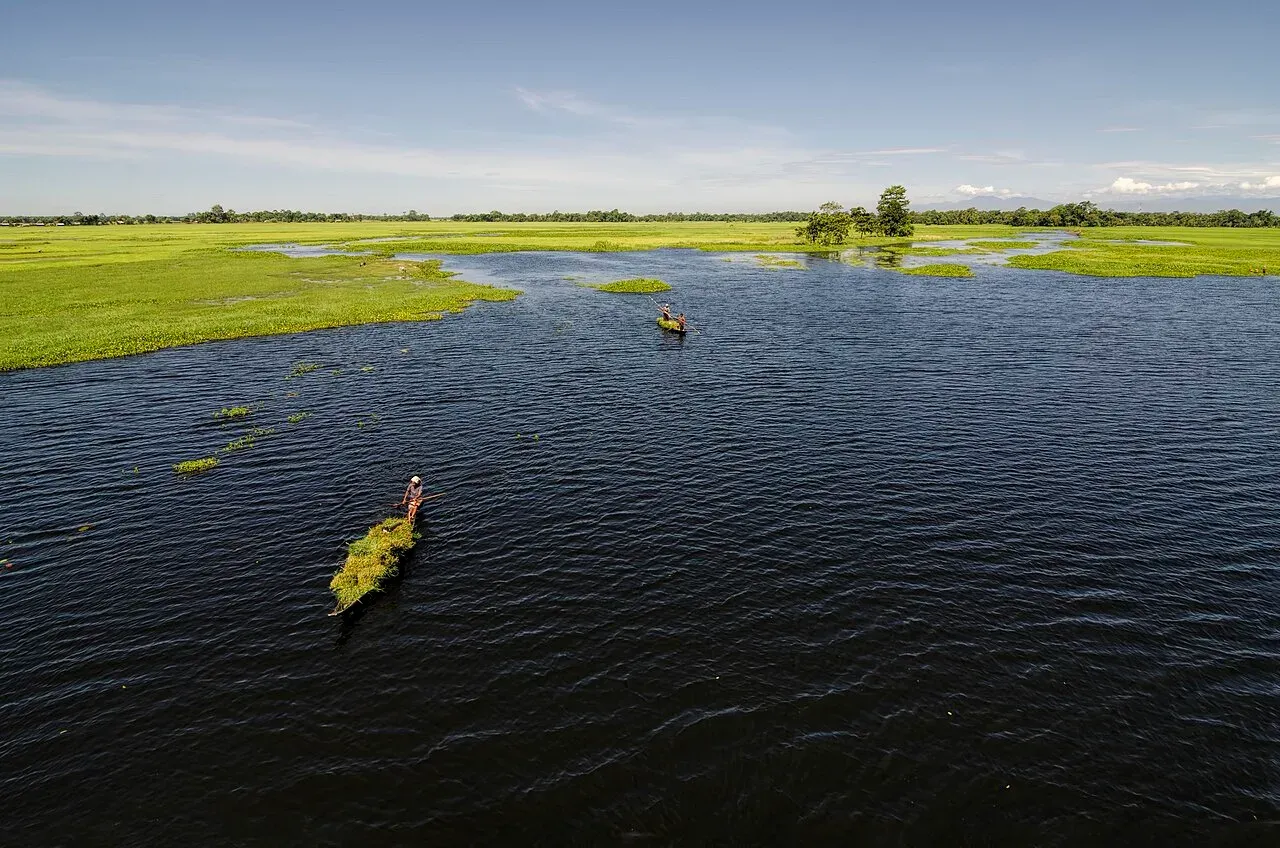
Sivasagar preserves some of the most visible architectural remains of the Ahom period, including Rang Ghar, Talatal Ghar, Kareng Ghar and historic temples and tanks.
Nearby Charaideo offers a quieter and more contemplative encounter with Ahom history through its UNESCO-listed moidams and sacred landscape.
Sualkuchi allows visitors to hear looms working through neighbourhoods and see how Assam's silk garments are produced.
The journey can be combined with Hajo, an old pilgrimage centre associated with Hindu, Muslim and Buddhist traditions.
Kaziranga is not only a wildlife destination but also a landscape shaped by the flood cycles of the Brahmaputra. UNESCO describes it as the largest undisturbed representative area of the Brahmaputra Valley floodplain.
The surrounding region also offers access to villages, tea estates and local cultural experiences.
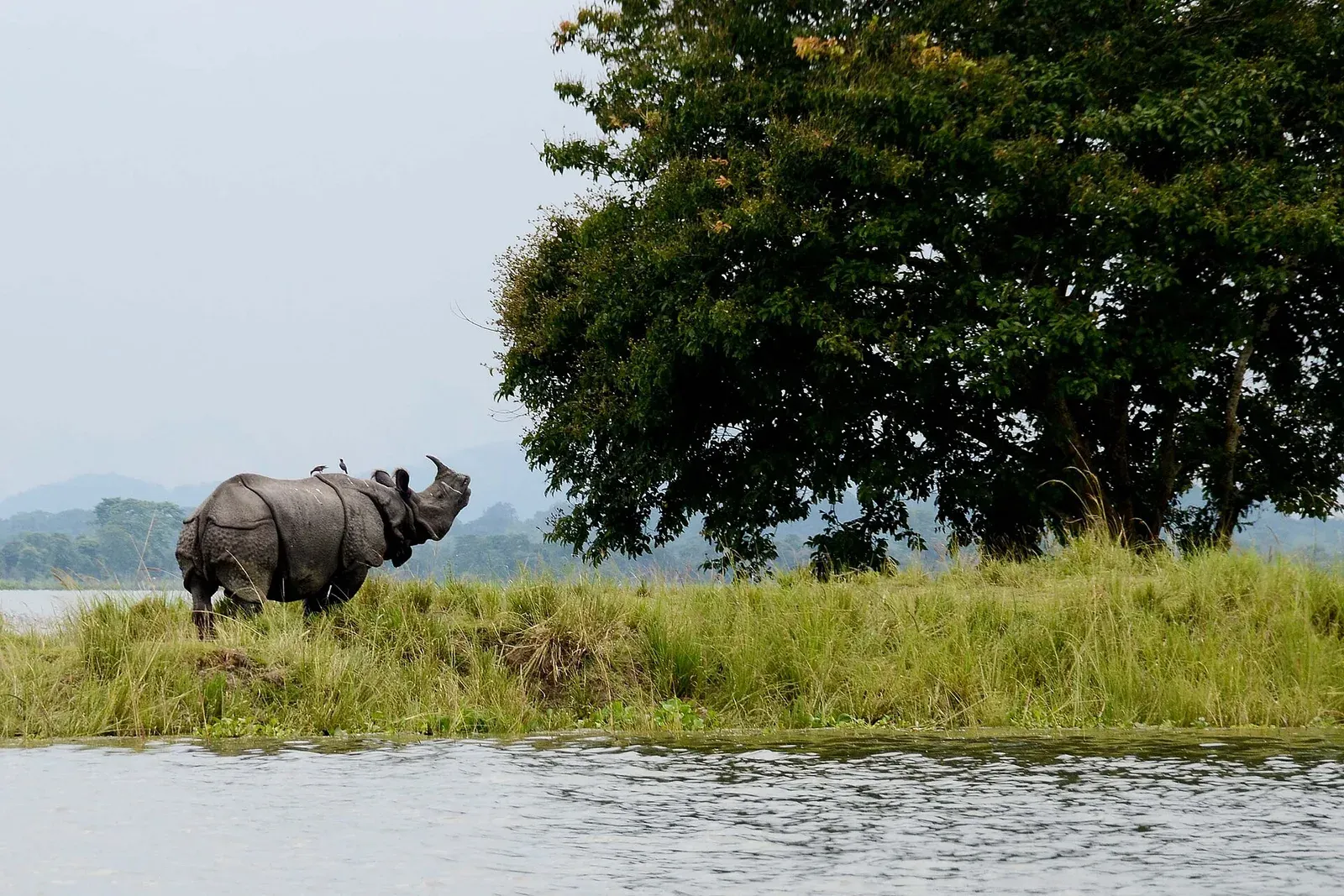
At the Himalayan foothills, Manas brings together wooded hills, grasslands and forests. Its ecological importance is matched by its location within a culturally diverse region of western Assam.
Jorhat, Dibrugarh and surrounding districts introduce travellers to the landscapes and labour histories of Assam tea. Estate visits offer insight into cultivation and production while creating a natural route between Kaziranga, Majuli, Sivasagar and Upper Assam.
For a different landscape, travel south towards Haflong and Dima Hasao. The hill district is home to Dimasa, Jeme-Naga, Hmar, Kuki, Biate, Hrangkhol, Karbi and other communities, each with distinct cultural practices.
Planning
For a first journey across Assam, October to April generally offers the most comfortable conditions for sightseeing, road travel and outdoor experiences. Guwahati, Jorhat and several Upper Assam destinations are commonly recommended during this cooler and comparatively drier period.
The best month depends on what you want to experience:
Wildlife park access, ferry services, road conditions and festival dates change with weather and river conditions. Check the latest local information before finalising the journey.
Getting there
Guwahati is the most practical gateway for many first-time visitors to Assam.
Lokpriya Gopinath Bordoloi International Airport serves Guwahati and provides the principal air entry point for the city and western Assam. Other airports, including those serving Jorhat and Dibrugarh, are useful when planning an Upper Assam itinerary.
Guwahati is a major railway gateway for Northeast India. Depending on the route, travellers can also use stations such as Jorhat, Mariani, Dibrugarh, New Tinsukia and Silchar to reduce long road journeys.
Guwahati is well placed for journeys towards Kaziranga, Tezpur, Sualkuchi, Hajo, Manas and neighbouring Meghalaya. Assam is larger than it first appears on a map, so itineraries should allow enough time between Lower, Central and Upper Assam.
Ferries remain part of everyday travel on the Brahmaputra and are essential on routes such as the journey to Majuli. Services depend on water levels and weather, so schedules should be checked locally.
Begin here
To understand Assam, begin with the river that has shaped its settlements, livelihoods, celebrations and imagination.
From Guwahati, an Alfresco Grand cruise offers a different view of the city and its relationship with the Brahmaputra. Watch the river change under the evening light on the Sunset Cruise, or experience Bihu, Sattriya and Gayan Bayan performances with dinner on board the Dinner Cruise.
It is not a substitute for travelling deeper into Assam. It is an introduction: a chance to pause on the river before continuing towards Majuli, Kaziranga, Sivasagar, the tea country and the hills beyond.
Good to know
Assam is known for the Brahmaputra, its tea-growing regions, Bihu, Sattriya, muga and eri silk, the satras of Majuli, Ahom heritage and wildlife destinations such as Kaziranga and Manas.
The three principal Bihu celebrations are Magh or Bhogali Bihu in January, Bohag or Rongali Bihu in April and Kati or Kongali Bihu in October. Each corresponds to a different stage of the agricultural cycle.
Good starting points include khar, masor tenga, aloo pitika, patot diya maas, seasonal xaak, duck preparations, til pitha and narikol laru. Travellers should also explore the distinct cuisines of Assam's many communities.
October to April is generally the most comfortable period for a broad Assam itinerary. Festival-focused visitors may choose January for Magh Bihu, April for Bohag Bihu or October and November for Majuli's Raas celebrations.
Yes. Guwahati is Assam's main air and rail gateway and provides convenient access to the Brahmaputra, Kamakhya Temple, Sualkuchi, Hajo, Manas, Kaziranga and routes into other parts of Northeast India.